Ecologies of Sculpture
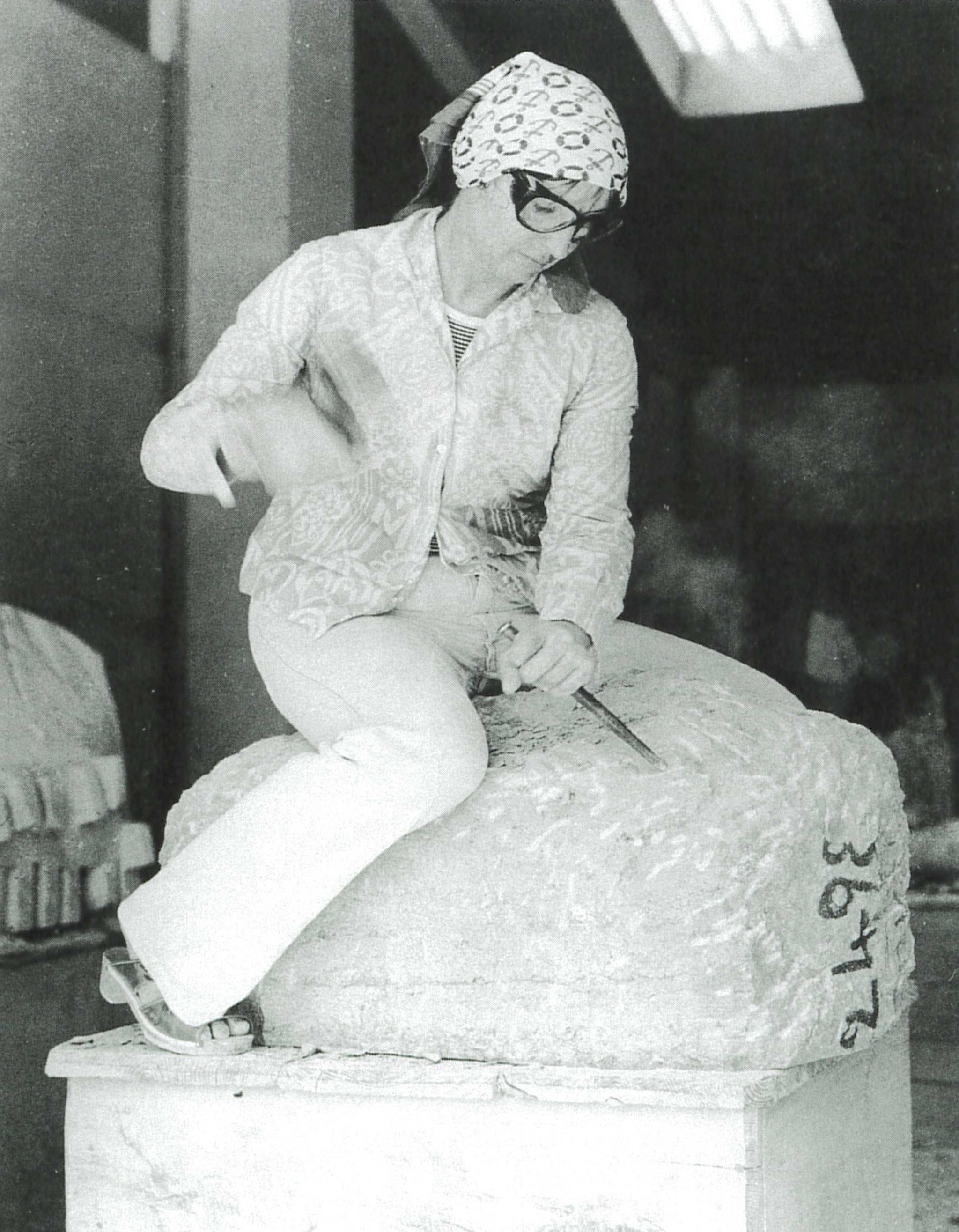
© Archives of the Rostkowski family
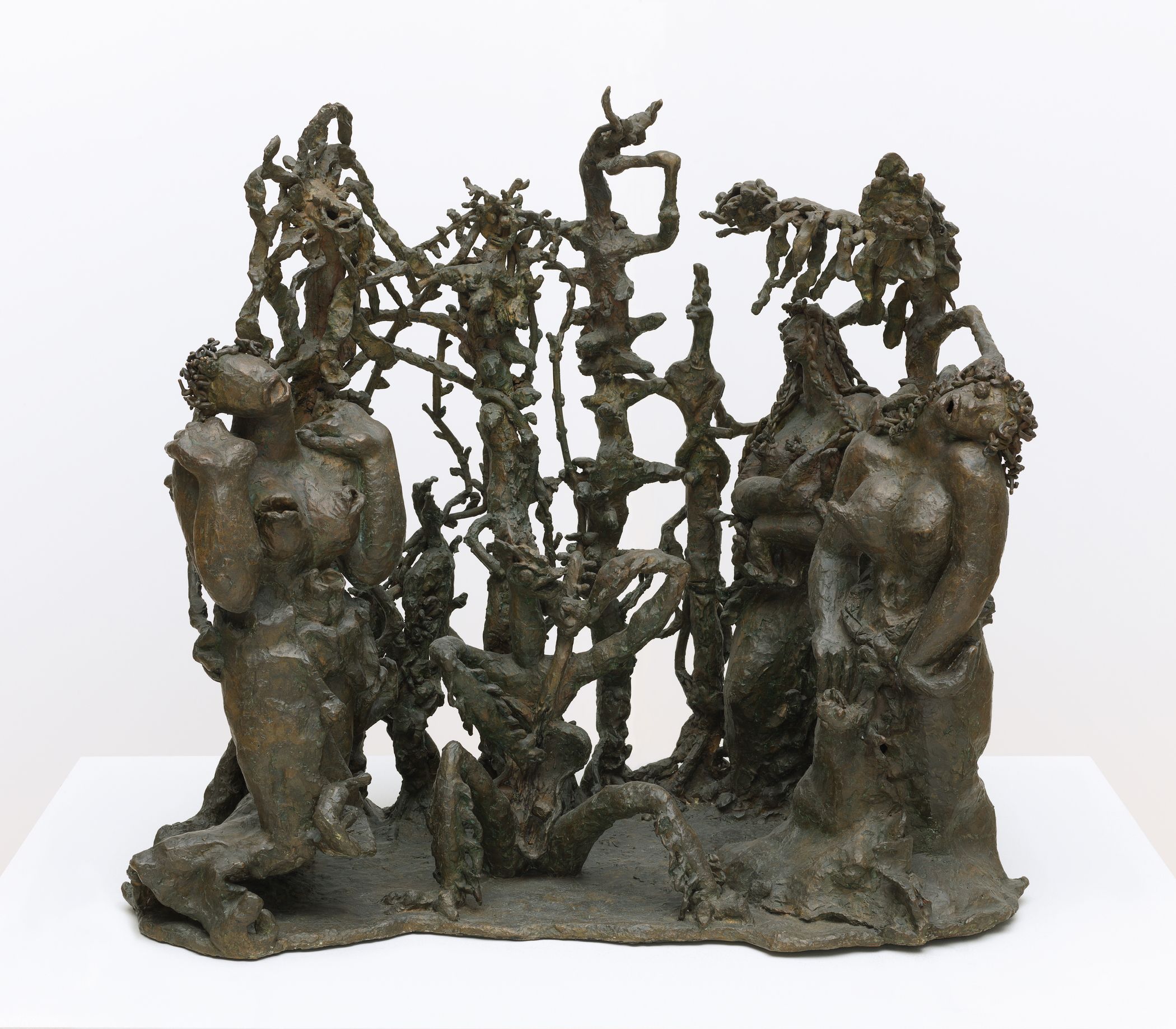
Bronze; 31 5/8 × 36 × 22 1/2 in. (80.3 × 91.4 × 57.2 cm), San Francisco Museum of Modern Art, Anonymous gift © Estate of Maria Martins, Foto: Katherine Du Tiel
Das Forschungs- und Ausstellungsprojekt Ecologies of Sculpture untersucht Ökologien des Skulpturalen anhand von künstlerischen Beispielen seit den 1920er Jahren bis zur Gegenwart. Im Fokus stehen materialbasierte Ansätze, um erstens die Spezifik des Skulpturalen fassen zu können und zweitens die mit dem Medium verbundenen Infrastrukturen (Materialwege, Abbau von Ressourcen, post- und neokoloniale Verhältnisse) kritisch zu beleuchten. Ausgehend von der Beobachtung, dass gerade skulpturale Praxen und Verfahren Naturkultur-Verhältnisse verhandeln und neu konfigurieren, fokussiert das Projekt die damit verbundenen Wissenssysteme und Diskurse. Erich Hörls Begriff von „Ökologien“, im Unterschied zu „Ökologie“, ist zentraler Ansatzpunkt, um Ökologien des Skulpturalen zu erforschen und als diskursive Anordnungen zu verstehen. Zentrale Fragen sind: Woher kommt das Material und welche Infrastrukturen sind ihm inhärent? Welche materialbezogenen Begriffe sind für eine Skulpturgeschichte des 20. Jahrhundert und der Gegenwart zentral? Wie äußern sich genderspezifische Zuschreibungen von bestimmten Materialien, wie Stein, Plastik oder Stoff? Welche Vorstellungen von Naturkultur-Verhältnissen werden durch die künstlerischen Praktiken generiert?
Ecologies of Sculpture ist eine Kooperation zwischen der Hochschule für Bildende Künste Braunschweig (HBK) und dem Sprengel Museum Hannover unter der Leitung von Prof. Dr. Ursula Ströbele (HBK), Dr. Carina Plath (Sprengel Museum/Stadt Hannover) und Dr. Reinhard Spieler (Sprengel Museum). Wissenschaftliche Mitarbeiterin ist Dr. des. Tonia Andresen, studentische Hilfskraft Merle Noosten.
The research and exhibition project Ecologies of Sculpture explores the ecologies of the sculptural through artistic practices from the 1920s to the present. Material-based approaches are central, first to grasp the specificity of the sculptural and second to critically examine the infrastructures associated with the medium (material flows, resource extraction, post- and neocolonial conditions). Based on the observation that sculptural practices and processes in particular negotiate and reconfigure the relationship between nature and culture, the project focuses on the associated knowledge systems and discourses. Erich Hörl’s concept of “ecologies,” as distinct from “ecology,” serves as a central starting point for exploring the ecologies of the sculptural and understanding them as discursive arrangements. Key questions include: Where does the material come from, and what infrastructures are inherent to it? Which material-related concepts are central to a history of sculpture in the 20th century and the present? How do gender-specific attributions of certain materials, such as stone, plastic, or fabric, manifest themselves? What conceptions of nature-culture relationships are generated by artistic practices?
Ecologies of Sculpture is a collaboration between the Braunschweig University of Art (HBK) and the Sprengel Museum Hannover, led by Prof. Dr. Ursula Ströbele (HBK), Dr. Carina Plath (Sprengel Museum/City of Hannover), and Dr. Reinhard Spieler (Sprengel Museum). Research assistant is Dr. des. Tonia Andresen, and student assistant is Merle Noosten.
Archival Challenges – Vortragsreihe im Rahmen von Ecologies of Sculpture

Archive sammeln und bewahren historische Materialien und Objekte. Gleichzeitig können sie nicht als „vollständig“ betrachtet werden, sondern fungieren vielmehr als Institutionen, die organisieren, auswählen und klassifizieren und so Machtstrukturen legitimieren und festigen. Archive offenbaren, was in einer Gesellschaft als wertvoll und relevant erachtet wird. Doch was ist mit den Geschichten, die nicht bewahrt oder gesammelt werden? Wie können wir mit den Lücken und Auslassungen umgehen, die in Archiven unweigerlich entstehen? Und wie können diese fehlenden Geschichten sichtbar gemacht werden? Als zentraler Bezugspunkt fungiert hier die Methode des „kritischen Fabulierens“ (Hartman 2008), die es ermöglicht den durch Archive produzierten Ausgrenzungen entgegenzuwirken und zugleich auf der Grundlage historischer Informationen unmögliche Geschichten zu erzählen. Gemeinsam mit Wissenschaftler:innen, Kurator:innen und Künslter:innen, die sich mit den skizzierten Fragen beschäftigen, wollen wir die durch Archive produzierten Politiken der Abwesenheit diskutieren und analysieren. Gerade letztere spielen eine zentrale Rolle in der Erforschung von Infrastrukturen künstlerischer Produktion, der Auslassung von weiblichen/queeren Künstler:innen sowie den vielfältigen Ökologien, die mit Skulptur verbunden sind.
Programm:
03.11.2026, 18:30, Aula HBK
Vincent Schier (Skulptur Projekte Münster)
Kontinuität im Wandel. 50 Jahre Skulptur Projekte Münster - Stadt als öffentliche Sammlung
08.12.2026, 18:30, Sprengel Museum, Auditorium
Camille Morineau (Founder & Director AWARE – Archives of Women Artists, Research and Exhibitions)
Against losing memory: The Raising of AWARE(ness) for the Centre Pompidou
19.01.2027, 18:30, Aula HBK
Sara Callahan (Malmö University)
The archive in artistic practice and art discourse: a must-have-accessory of the moment or a vital tool for critical engagement?
26.01.2027, 18:30, Aula HBK
Rajkamal Kahlon (Hochschule für Bildende Künste Hamburg)
You Can't Kill Us, We're Already Dead
Organisation: Dr. des. Tonia Andresen und Prof. Dr. Ursula Ströbele
Archival Challenges – Lecture Series in the context of Ecologies of Sculpture
Archives collect and preserve historical materials and objects. At the same time, they cannot be considered as ‘complete’, but rather function as institutions that organize, select, and classify, thereby legitimizing and reinforcing power structures. Archives reveal what a society considers valuable and relevant. But what about the stories that are not preserved or collected? How can we deal with the gaps and omissions that inevitably arise in archives? And how can we make these absent stories visible? The method of “critical fabulation” (Hartman 2008) as a practice that counter acts the exclusions produced by archives while also telling impossible stories based on historical information, functions as central point of reference. Bringing together scholars that deal with the outlined questions we aim to analyze and discuss what we call the politics of absence intrinsic to archives and that play a central role when researching infrastructures of artistic production, the omission of female/queer artists as well as the diverse ecologies attached to sculpture.
Program:
03.11.2026, 18:30, Aula HBK
Vincent Schier (Skulptur Projekte Münster)
Kontinuität im Wandel. 50 Jahre Skulptur Projekte Münster - Stadt als öffentliche Sammlung
08.12.2026, 18:30, Sprengel Museum, Auditorium
Camille Morineau (Founder & Director AWARE – Archives of Women Artists, Research and Exhibitions)
Against losing memory: The Raising of AWARE(ness) for the Centre Pompidou
19.01.2027, 18:30, Aula HBK
Sara Callahan (Malmö University)
The archive in artistic practice and art discourse: a must-have-accessory of the moment or a vital tool for critical engagement?
26.01.2027, 18:30, Aula HBK
Rajkamal Kahlon (Hochschule für Bildende Künste Hamburg)
You Can't Kill Us, We're Already Dead
Organisation: Dr. des. Tonia Andresen und Prof. Dr. Ursula Ströbele